The air inside Arena México is thick with the scent of salted popcorn, cheap draft beer, and the electric charge of ten thousand screaming fans. Below the rafters, a man in a shimmering emerald cape and a silver mask climbs the turnbuckle, pauses for dramatic effect, and hurls himself into space. He collides with his opponent in a tangle of limbs, sending both crashing onto the canvas to a deafening roar of brass trumpets and plastic horns.
This is Lucha Libre—Mexican professional wrestling—and it is far more than just a sporting event. It is a secular religion, a living comic book, and a masterclass in performance art. For travelers, attending a match is an essential rite of passage.
If you are planning your broader Mexican adventure, be sure to check out our Comprehensive Guide to Mexico City to help round out your travel plans. To help you navigate this high-flying spectacle like a seasoned local (chilango), we have put together the ultimate Lucha Libre guide.
The Anatomy of Lucha Libre: Rudos vs. Técnicos
To appreciate Lucha Libre, you must understand its central narrative. Unlike the morally gray storylines of modern American wrestling, Lucha Libre is a classic, operatic battle between good and evil.
- The Técnicos (The Good Guys): These are the heroes. They fly high, wrestle clean, and champion the values of the working class. They are the crowd favorites, executing complex aerial maneuvers with grace.
- The Rudos (The Bad Guys): These are the rule-breakers, cheats, and provocateurs. They mock the crowd, use illegal low-blows, and rely on brute force.
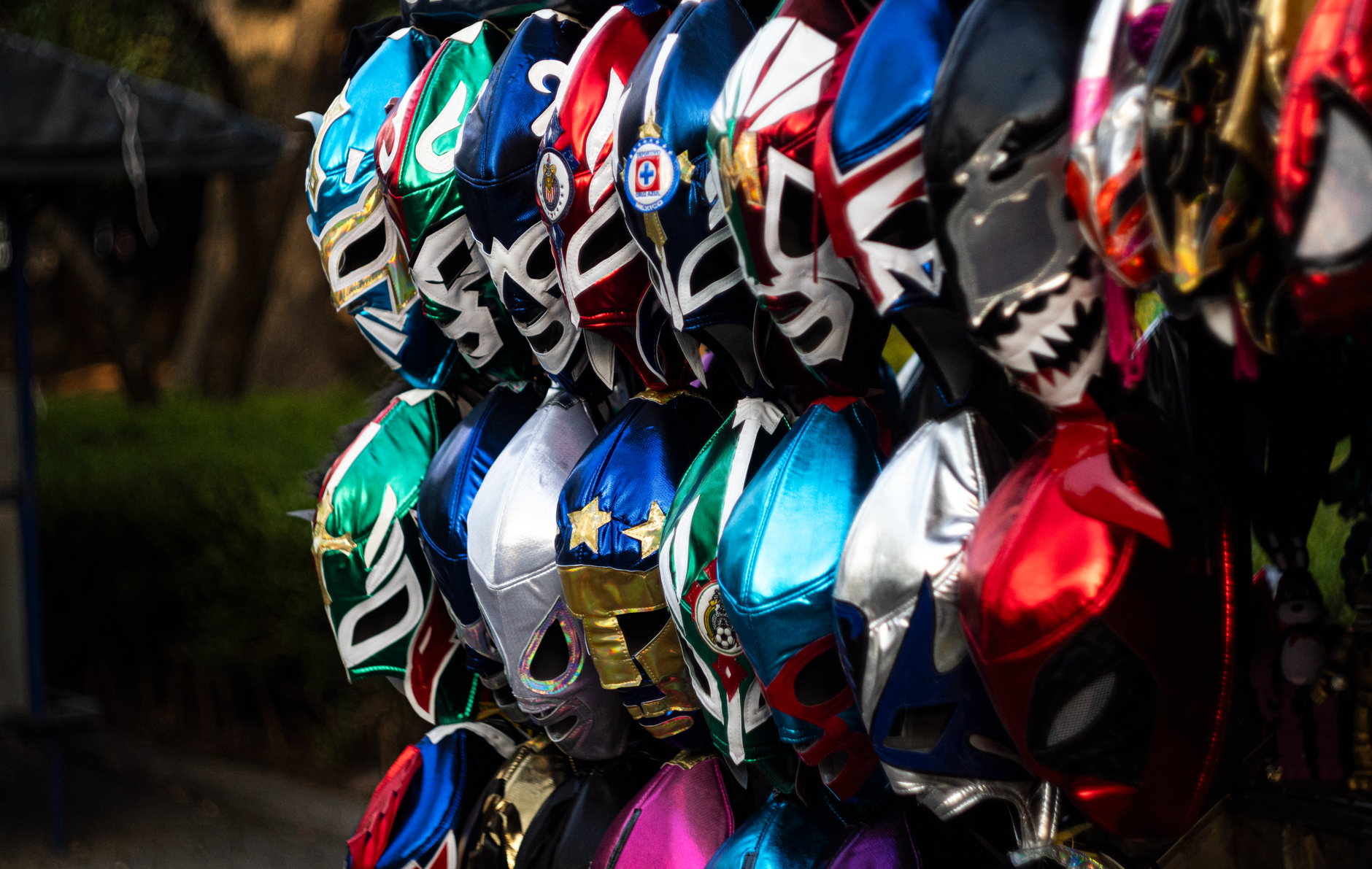
The drama is elevated by the máscara (mask). In Mexico, the mask is sacred, tracing its lineage back to Aztec warrior traditions. The ultimate humiliation for a luchador is to be unmasked in a Lucha de Apuestas (bet match), revealing their face and real name to the world.
Cultural Pro-Tip: Do not purchase a mask outside the arena and wear it during the matches if you sit in the front rows—it can block the view of those behind you, and you might get some colorful Spanish slang shouted your way. Save the mask-wearing for photo ops and the journey home!
Choosing Your Arena: Arena México vs. Arena Coliseo
There are two main temples of Lucha Libre in Mexico City, both run by the Consejo Mundial de Lucha Libre (CMLL). Each offers a vastly different atmosphere.
1. Arena México (The Cathedral of Lucha Libre)
Located in the Doctores neighborhood, this massive 16,500-seat arena is the sport’s main stage. It features state-of-the-art lighting, giant screens, and the biggest stars.
- When to go: Tuesday nights (family night, great energy) and Friday nights (the spectacular Viernes Espectacular, featuring the biggest championship bouts).
- The Vibe: High-energy, tourist-friendly, and grand.
2. Arena Coliseo (The Historic Colosseum)
Located in the historic center (Centro Histórico), this intimate, circular arena opened in 1943. It is smaller, grittier, and offers a much more raw, old-school experience.
- When to go: Saturday nights.
- The Vibe: Intense, localized, and loud. Because of the circular layout, there isn't a bad seat in the house, but the neighborhood surrounding it requires higher safety awareness at night.
To discover more about the city's historic neighborhoods and cultural heritage, dive deeper into our Culture & Heritage Highlights.
How to Buy Tickets and Avoid Scams
Getting tickets to Lucha Libre is straightforward, but a few simple mistakes can cost you time and money.
Option A: The Box Office (Taquilla) - Best Value
For the best prices, buy tickets directly at the Arena México box office a day or two in advance, or on the afternoon of the show. Cash is king here.
- Cost: Tickets range from 100 MXN (approx. $6 USD) for the high-up gradas (bleachers) to 800 MXN ($45 USD) for ringside seats (preferente).
Option B: Ticketmaster - Most Convenient
If you want guaranteed ringside seats for a major Friday night show, buy them online via Ticketmaster Mexico. You will pay a convenience fee, but it secures your spot.
Option C: Organized Tours
If you are a solo traveler or nervous about navigating the Doctores neighborhood at night, booking a group tour is a fantastic option. These typically include transport, a guide who explains the rules, a pre-match mezcal tasting, and a souvenir mask.
The Ultimate Match-Day Itinerary
To make the most of your night, turn your excursion into an evening-long ritual. If you are crafting a broader schedule for your trip, check out our Tested Itinerary Plan for seamless planning, or customize your daily route using the interactive Voyage Roams Trip Planner.
1. Pre-Show: Cantina Culture
Before heading to Arena México, stop by Cantina El Sella or La Opera for a pre-match drink. Order a cold Victoria beer or a shot of smoky mezcal served with orange slices and worm salt (sal de gusano). Pair it with some traditional botanas (bar snacks).
2. The Arrival: Buy Your Mask
The streets surrounding the arena are lined with colorful stalls selling replica masks, t-shirts, and plastic championship belts. This is the place to bargain for your souvenir. A standard foam mask should cost no more than 150-250 MXN ($8-$15 USD).
3. Inside the Arena: Snacks and Slang
Once inside, buy a giant cup of beer (served in souvenir cups) and some esquites (warm corn cup with mayo, cheese, chili, and lime).
Crowd Vocabulary: Join in the chanting! If you want to insult a rudo, yell "¡Culero!" (pronounced coo-leh-ro, meaning asshole/coward) or simply scream "¡Lucha, Lucha, Lucha!" to urge on the heroes.
Staying Safe: Essential Tips for First-Timers
While Arena México is generally safe inside, the surrounding Doctores neighborhood can be sketchy after dark. Follow these rules for a hassle-free night:
- 1Leave Cameras at Home: Professional cameras (any camera with a detachable lens) are strictly banned inside the arenas to protect the intellectual property of the luchadores. Phone cameras are perfectly fine.
- 2Use Rideshare Apps: When leaving the arena at 10:30 PM or 11:00 PM, the streets will be chaotic. Do not hail street taxis. Instead, walk to a brightly lit corner near the main avenue (Avenida Cuauhtémoc) and call an Uber or DiDi.
- 3Watch Your Pockets: Crowds entering and exiting the arena are prime targets for pickpockets. Keep your phone and wallet in your front pockets or a secure crossbody bag.
- 4Avoid the Bleachers (Gradas) if You Have Kids: The cheapest seats high up in the blue section are incredibly fun, but they are also where the rowdiest fans sit. If you prefer a family-friendly vibe, stick to the Preferente (mid-tier) or ringside seats.
Lucha Libre Practical Takeaways
| Expense Category | Budget Option | Mid-Range Option | Premium / Tour Option |
|---|---|---|---|
| Ticket Price | 150 MXN ($8 USD) | 350 MXN ($20 USD) | 800+ MXN ($45+ USD) |
| Souvenirs (Mask) | 150 MXN ($8 USD) | 300 MXN ($17 USD) | 600+ MXN (Semi-Pro Mask) |
| Food & Drinks | 100 MXN ($6 USD) | 250 MXN ($14 USD) | 400 MXN ($23 USD) |
| Transport | Metro (5 MXN) | Uber/Rideshare ($8 USD) | Tour Van (Included) |
Quick FAQ
- Is Lucha Libre suitable for children? Yes! It is highly theatrical and family-oriented, though the language from the crowd can occasionally be colorful.
- How long does a show last? Shows typically run for about 2 to 2.5 hours, featuring 5 to 6 matches of increasing importance.
- Do I need to speak Spanish? Not at all. The physical storytelling of the rudos and técnicos transcends language barriers.