The Ultimate Guide to Mercat de la Boqueria: Barcelona’s Living Culinary Heart
Navigate the sensory overload, dodge the tourist traps, and taste the best of Catalonia's historic market.

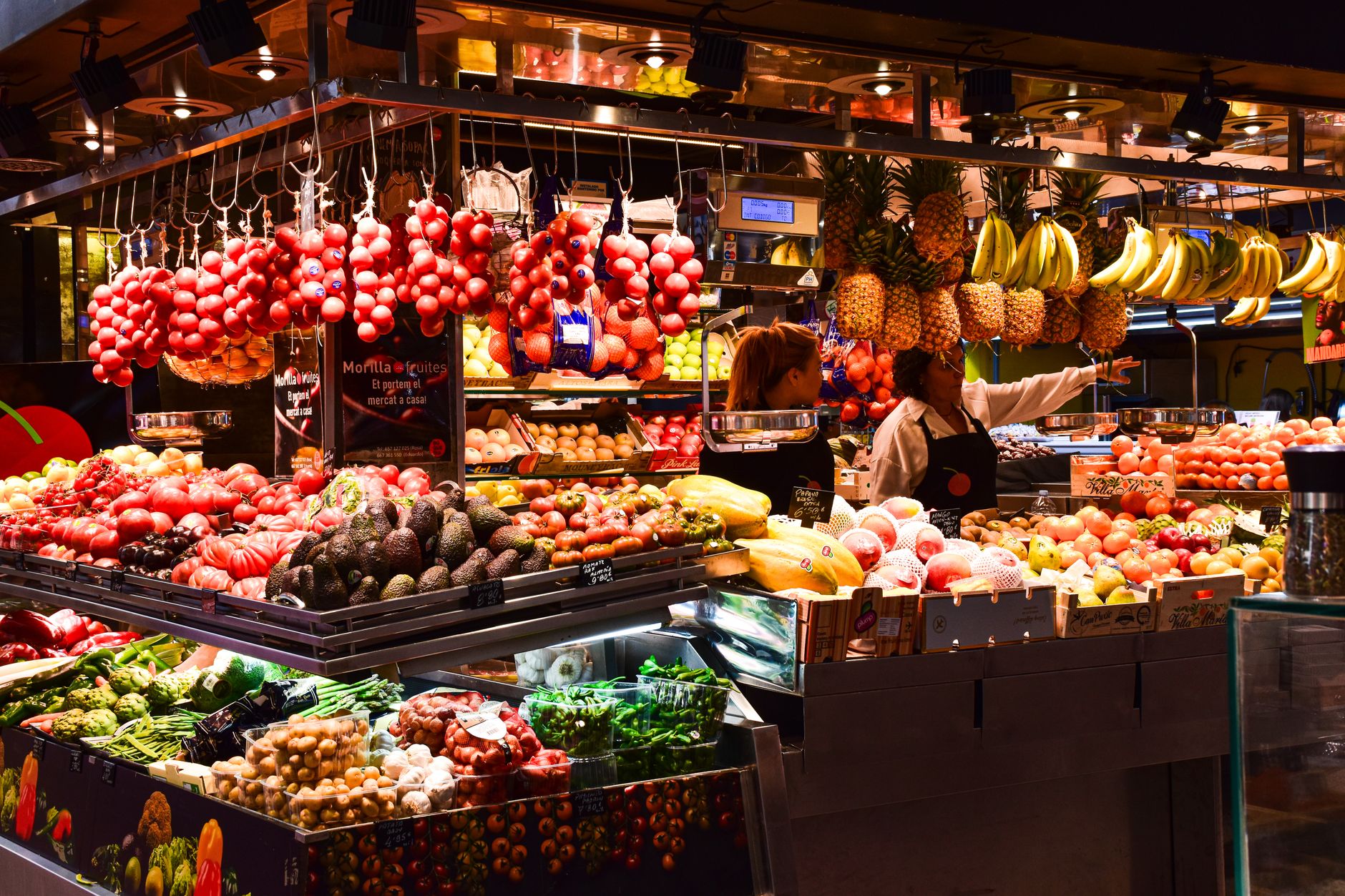
Step under the iconic Art Nouveau iron archway of the Mercat de Sant Josep de la Boqueria—popularly known simply as La Boqueria—and your senses are instantly bombarded. The sharp scent of freshly crushed passion fruit mixes with the earthy, rich aroma of dry-cured jamón ibérico. Pyramids of bright dragon fruit, mounds of glistening olives, and the silver flash of fresh Mediterranean seafood catch the light.
Located right off the bustling tree-lined promenade of La Rambla, La Boqueria is not just Spain’s most famous food market; it is a living, breathing monument to Catalan gastronomy. However, with over 40,000 visitors passing through its gates daily, it can easily overwhelm the unprepared traveler.
To help you navigate this culinary labyrinth, we’ve put together the ultimate insider guide. Learn how to dodge the tourist traps, find the legendary tapas bars, and shop with the confidence of a local barceloní. To map out your entire gastronomic journey across Spain, don't forget to use the Voyage Roams Trip Planner.
1. The Living History of La Boqueria
While the striking iron-and-glass structure you see today was inaugurated in 1840 (and its modernist roof completed in 1914), the market’s roots run far deeper into Barcelona's history.
- 1217: The earliest records show open-air meat stalls set up by local farmers on the plains close to the city gates. Because it sat outside the old city walls, traders could sell their goods without paying the heavy city taxes.
- 1470: The market became known as a pig market (mercat de borrecs), from which the name "Boqueria" is believed to have evolved (linked to boc, the Catalan word for goat).
- 1835: Following the destruction of the Saint Joseph Convent during the turbulent anticlerical riots, the city reclaimed the land to build a formal, covered plaza.
Today, the market is home to over 200 stalls, many run by third-, fourth-, and fifth-generation vendors who guard their family legacies with fierce pride. Understanding this heritage transforms your visit from a quick photo-op into a deep dive into Catalan culture. For a broader look at the city's neighborhoods, check out our Barcelona Destination Guide.
2. Navigating the Market Layout: Where to Go
La Boqueria is laid out in a semi-organized grid, but the sheer volume of people can make it feel like a maze. Knowing the general layout will help you find the best produce and avoid paying inflated "tourist tax" prices at the front stalls.
+---------------------------------------------------+
|                 BACK EXIT (Gothic Quarter)        |
|   [Tapas Bars]    [Offal & Poultry]  [Tapas Bars] |
|                                                   |
|         +-------------------------------+         |
|         |      CENTRAL FISH SECTOR      |         |
|         |      (The Circular Heart)     |         |
|         +-------------------------------+         |
|                                                   |
|   [Cured Meats]   [Fruit & Veg]     [Nuts/Spices] |
|                                                   |
|                 MAIN ENTRANCE (La Rambla)         |
+---------------------------------------------------+- The Outer Ring (The Front): This is the high-rent district. Stalls closest to La Rambla specialize in colorful, pre-cut fruit cups, fresh juices, and ready-to-eat ham cones. While visually stunning, these are the most expensive stalls in the market.
- The Central Ring: This is the circular heart of the market, dedicated entirely to fresh seafood (peixateries). Here, you’ll see live lobsters, giant octopus tentacles, and alien-looking goose barnacles (percebes) resting on beds of crushed ice.
- The Back and Sides: Here lie the butchers (carnisseries), specialty cheese mongers, wild mushroom stalls, and the historic counter-service tapas bars. This is where locals actually do their grocery shopping.
Local Pro-Tip: The closer you are to the front entrance on La Rambla, the higher the prices. Walk at least three to four rows deep into the market before buying anything to get better quality and fairer prices.
3. The Must-Try Culinary Stops (Where to Eat)
Eating at La Boqueria is a rite of passage. There are no tables or chairs here; instead, you’ll jostle for a coveted stool at one of the market's legendary, open-air counter bars. Here are the absolute icons you cannot miss:
El Quim de la Boqueria
Operating since 1987, chef Quim Márquez and his sons run this high-energy counter recognizable by its yellow stools. The atmosphere is chaotic, but the food is sublime.
- What to order: Huevos con chipirones (fried eggs topped with tiny, tender baby squid drizzled in garlic and chili oil). It sounds unusual for breakfast, but it is a masterclass in Catalan flavor.
Pinotxo Bar
A legendary institution that has served market-goers for over 80 years. Though the beloved, bowtie-wearing patriarch Juanito Bayén passed away in 2023, the stall continues to honor his legacy by serving classic, no-nonsense Catalan soul food.
- What to order: Garbanzos con morcilla (warm chickpeas tossed with rich, crumbled blood sausage and a splash of olive oil) paired with a glass of crisp, cold Cava.
Bar Central
Tucked away toward the right-back corner of the market, this is the place to go for fresh, grilled seafood direct from the central fish stalls.
- What to order: The Plat Combinat de Peix (a mixed seafood platter featuring razor clams, prawns, squid, and mussels seared on a hot flat-top grill with olive oil, sea salt, and parsley).
If you want to discover more culinary hotspots throughout the city, dive into our curated Food & Drink Highlights.
4. Insider Etiquette: How to Shop and Eat Like a Local
To have the best experience and show respect to the vendors who make their living here, keep these essential rules of market etiquette in mind:
- 1Do Not Touch the Produce: This is the ultimate cardinal sin of European markets. Point to what you want, and let the parader (stallholder) select and bag it for you.
- 2Ask Before Taking Photos: While vendors are used to tourists, their stalls are active businesses. Always ask (¿Puedo hacer una foto?) before snapping close-ups of their meticulously arranged displays.
- 3Watch Your Belongings: Because of the tight crowds and distracted tourists, La Boqueria is a prime hunting ground for professional pickpockets. Keep your backpack on your front, and never leave your phone or wallet sitting on the bar counter while you eat.
- 4Time Your Visit Wisely: If you want to experience the market as a place of commerce rather than a tourist attraction, arrive between 8:00 AM and 10:00 AM. By 11:30 AM, the tour groups arrive, and navigating the narrow aisles becomes difficult.
Cultural Note: Avoid visiting the market on Mondays if you are looking for fresh seafood. Most fishmongers do not open on Mondays because the fishermen do not go out to sea on Sundays.
5. Budget Breakdown & Avoiding Tourist Traps
While La Boqueria has a reputation for being expensive, it is entirely possible to enjoy a fantastic, budget-friendly culinary safari if you know what to look for. Check out our Budget Travel Guides for more money-saving tips in Spain.
| Item | Tourist Trap Price (Front Stalls) | Local Price (Back Stalls) | Recommendation |
|---|---|---|---|
| Fresh Fruit Juice | €3.00 - €4.00 | €1.50 - €2.00 | Walk past the first three rows; the price drops by half. |
| Jamón Ibérico Cone | €8.00 - €12.00 (Low quality) | €4.00 - €6.00 (Bellota grade) | Buy from established charcuteries like Symposium or Mas Gourmet. |
| Tapas Lunch (per person) | €35.00+ (At tourist-facing joints) | €15.00 - €25.00 (At authentic bars) | Stick to simple, seasonal dishes rather than elaborate seafood platters. |
| Spices & Saffron | €10.00 (Tiny plastic jar) | €4.00 - €5.00 (Pouch) | Buy from Morilla Singular in the back lanes. |
6. Practical Takeaways & Traveler's FAQ
To make your visit seamless, here is a quick reference checklist for your itinerary. If you are planning a larger trip to Catalonia, check out our Tested Itinerary Plan for Barcelona.
Essential Information
- Address: La Rambla, 91, 08001 Barcelona, Spain
- Nearest Metro Station: Liceu (L3 Green Line) — the exit deposits you almost directly outside the market gates.
- Opening Hours: Monday to Saturday, 8:00 AM to 8:30 PM. (Closed Sundays).
Frequently Asked Questions
Is La Boqueria wheelchair accessible?
Yes. The market is flat and level with wide concrete pathways. However, it can get highly congested, making navigation challenging during peak hours (12:00 PM to 4:00 PM).
Can I pay with a credit card?
Yes, almost all stalls—even those selling small fruit cups—now accept contactless and credit card payments. However, keeping a few €1 and €2 coins handy is polite for very small purchases.
Where can I sit down to eat if the bars are full?
There is no public seating inside the market. If you buy takeaway items like empanadas, cheese, or fruit cups, walk out the back exit of the market to the quiet, leafy plaza of Plaça de la Gardunya behind the market, where you will find stone benches to sit and enjoy your market haul in peace.
Ready to Turn This Story Into Your Next Adventure?
Save places to your custom wishlist or map out a step-by-step day plan with Voyage Roams.
Elena Vance
Elena travels the globe reporting on cultural heritage, street food trails, and budget exploration for Voyage Roams.
Planning a trip to Spain?
Discover verified places to visit, neighborhood recommendations, seasonality charts, and tested budgets in our comprehensive Spain portal.
Related Stories & Guides
 culture
The Definitive Travel Guide to El Clásico: Real Madrid vs. FC Barcelona
 destinations
The Best Time to Visit Seville: A Season-by-Season Guide to Andalusian Magic
 food drink