The Ultimate Uzbekistan Food Guide: Flavors of the Silk Road
From sizzling bazaar plov to fragrant tandoori bread, discover the historic culinary traditions of Central Asia's most vibrant destination.

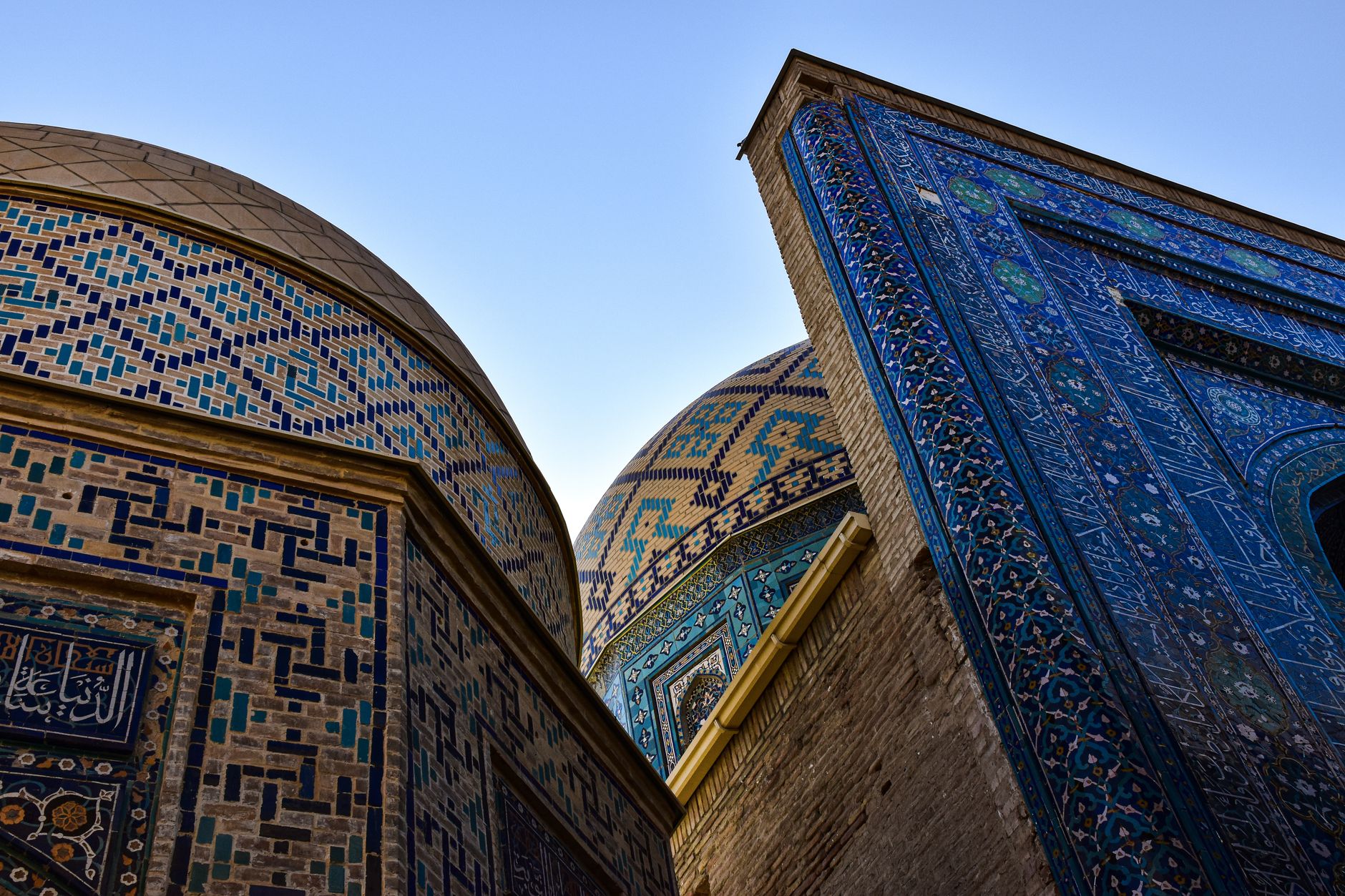
Introduction to Silk Road Gastronomy
When trading caravans traversed the arid steppes and towering mountain passes of Central Asia centuries ago, they carried more than silk and spices; they traded recipes, cooking techniques, and ingredients that forever shaped the cuisine of modern Uzbekistan. Today, Uzbek food is a rich tapestry of slow-cooked meats, fragrant rice, hand-rolled noodles, and sweet sun-ripened fruits.
Whether you are planning your journey using our Voyage Roams Trip Planner or mapping out a cultural route with our Tested Itinerary Plan, understanding the culinary heritage of this region is essential to the travel experience.
The King of Dishes: Uzbek Plov
No trip to Uzbekistan is complete without partaking in the sacred ritual of eating plov (also known as osh). This monumental one-pot dish of rice, tender chunks of mutton or beef, yellow or red carrots, and onions is traditionally simmered in massive cast-iron cauldrons called qozon over open flames.
- Chachandoni Plov: The classic Tashkent style featuring chickpeas and raisins.
- Samarkand Plov: Layered rather than mixed, resulting in a lighter, visually striking presentation.
- Bukhara Plov: Often called oshi sofi, characterized by slow-cooked meat that practically melts into the rice.
Cultural Pro-Tip: Plov is traditionally eaten at lunchtime (between 11:00 AM and 2:00 PM). By 3:00 PM, the best cauldrons in the bazaar are typically scraped clean. Pair your plate with a side of achichuk—a refreshing tomato, onion, and chili salad designed to cut through the richness of the oil and meat.
Bread is Sacred: The Art of Uzbek Non
Bread, known locally as non or lepeshka, holds immense spiritual and cultural significance in Uzbek households. It is never placed upside down, and guests are always welcomed with a piece of fresh bread broken by the host.
Baked in clay dome ovens called tandirs, Uzbek bread features a distinctive raised rim and a depressed, decorative center stamped with a chekich (bread stamp). Every region boasts its own variation:
- 1Tashkent Non: Fluffy, large, and sprinkled with sesame seeds.
- 2Samarkand Non: Thick, dense, heavy, and often stamped with elaborate floral patterns that keep fresh for days.
To dive deeper into regional culinary nuances, explore our curated Food & Drink Highlights hub.
Skewers, Soups, and Dumplings
Beyond plov and bread, Uzbek cuisine shines through its mastery of grilled meats and comforting noodle dishes:
- Shashlik: Charcoal-grilled skewers of marinated lamb, beef, liver, or minced meat, generously dusted with raw sliced onions and cumin.
- Manty: Giant steamed dumplings stuffed with minced lamb, onions, and tail fat, served with a dollop of smetana (sour cream) or spicy vinegar.
- Lagman: Hand-pulled noodles served either as a hearty soup (suyli lagman) with vegetables and beef or pan-fried (qovirma lagman) with a rich, savory sauce.
- Shurbo: A deeply nourishing mutton and vegetable soup flavored with fresh dill and coriander.
The Ritual of Choyxona (Tea Houses)
Tea (choy) is the lifeblood of social interaction in Uzbekistan. In traditional choyxona (tea houses), locals gather on raised wooden platforms draped in colorful rugs (tapchan) to converse over endless pots of tea.
- Kök-choy: Green tea, the default choice in Tashkent and the Fergana Valley.
- Qora-choy: Black tea, more commonly enjoyed in regions like Samarkand and Bukhara, often served with dried fruits and walnuts.
Secret Spot: Seek out the historic Bolo Hauz Tea House in Bukhara or the serene garden tea houses tucked away behind the blue domes of Samarkand for an authentic afternoon tea experience.
Budget Breakdown for Foodies
Dining out in Uzbekistan is remarkably affordable, making it a dream destination for travelers looking to experience incredible flavors without breaking the bank. For more money-saving tips, check out our Budget Travel Guides.
- Street Food & Bazaar Lunch: $2 – $4 USD (Samsa, shashlik skewer, or a plate of bazaar plov with tea)
- Traditional Sit-Down Restaurant: $6 – $12 USD (Multi-course meal including soup, main dish, salads, and fresh bread)
- High-End Culinary Experience: $15 – $25 USD (Upscale dining in restored caravanserais featuring wine pairings)
Traveler's FAQ & Practical Takeaways
- Is the tap water safe to drink? No, stick to bottled or boiled water throughout your stay.
- Is tipping expected? A 5% to 10% service charge is increasingly common in tourist-centric restaurants, but rounding up or leaving a small tip is appreciated everywhere else.
- How do I handle dietary restrictions? Uzbek cuisine is heavily meat-and-dairy-centric. Vegetarians can easily find fresh salads, cheese, rice dishes, and pumpkin- or potato-stuffed samsa pastries, but communicating dietary needs clearly in Russian or Uzbek is advised.
Ready to Turn This Story Into Your Next Adventure?
Save places to your custom wishlist or map out a step-by-step day plan with Voyage Roams.
Elena Vance
Elena travels the globe reporting on cultural heritage, street food trails, and budget exploration for Voyage Roams.
Related Stories & Guides
 food drink
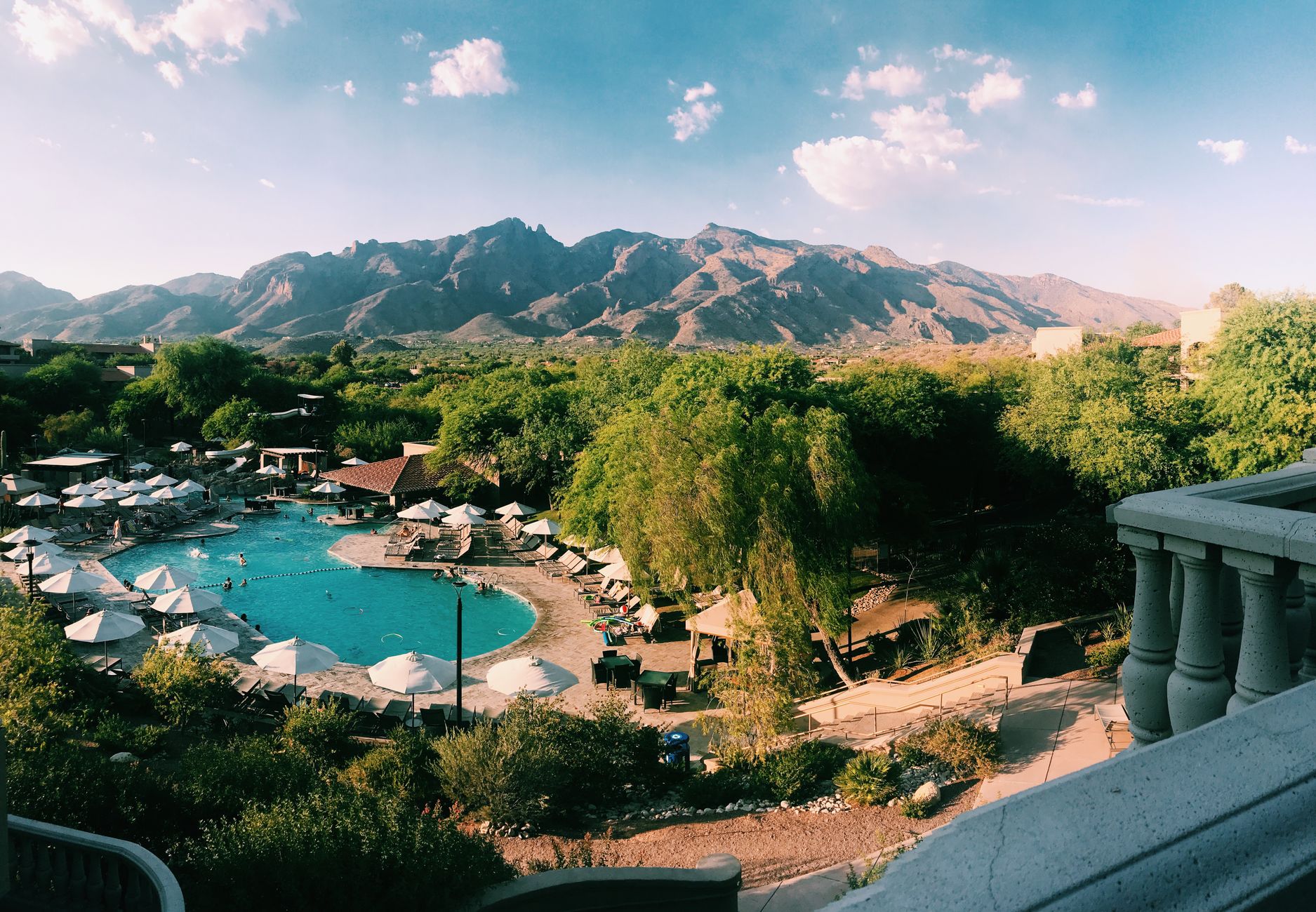
The Sonoran Culinary Revival: A Comprehensive Tucson Food Guide
 food drink
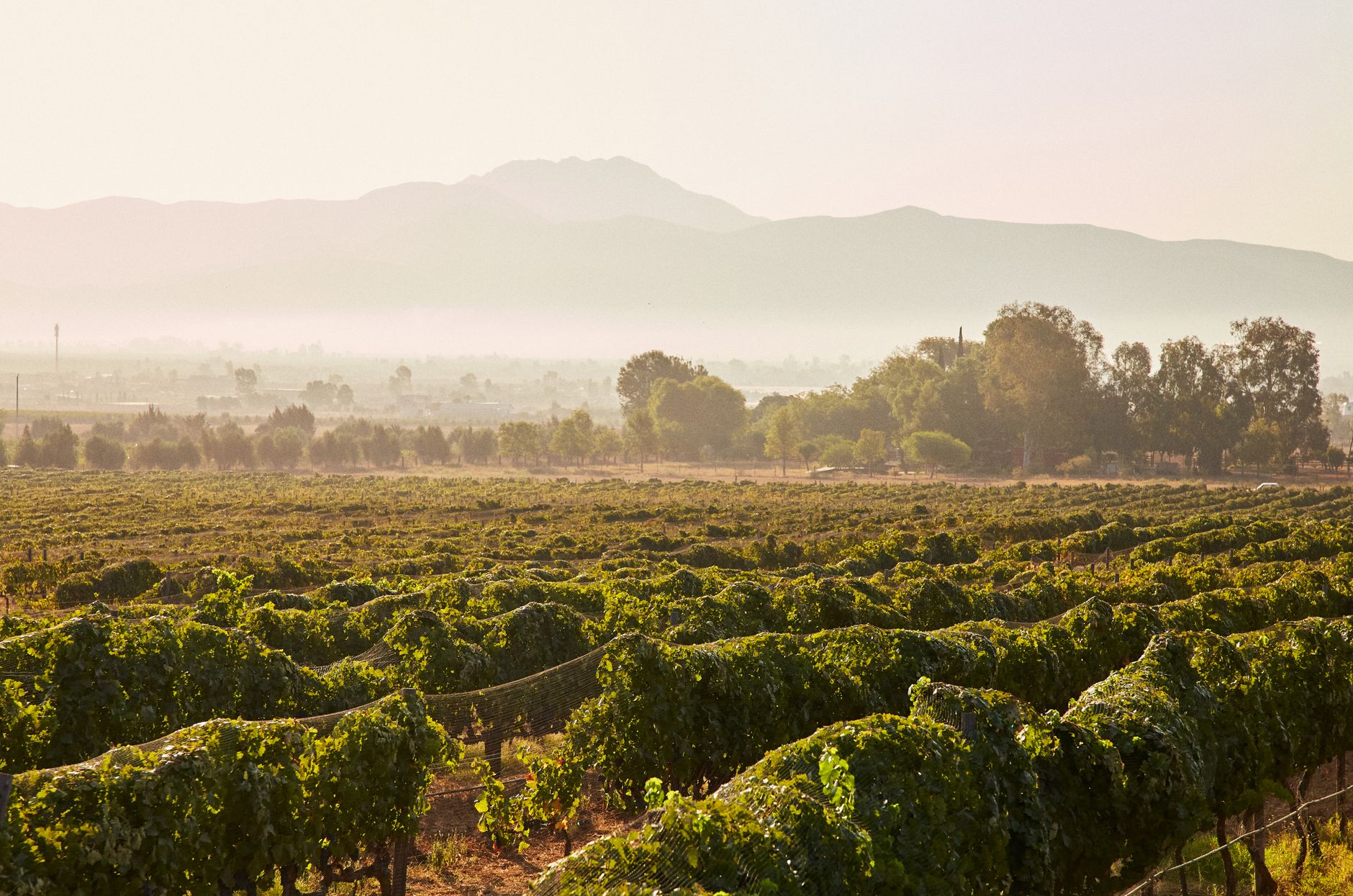
Valle de Guadalupe Wine and Food Guide: Mexico's Culinary Oasis
 food drink