Thessaloniki Hidden Gems: 27 Secret Spots You Must See
Thessaloniki doesn’t give up its secrets easily. You have to walk until your feet ache, turn down alleys that look like dead ends, and ignore the shiny tourist brochures that point everyone toward the same three monuments. In my experience, the true Soul of the North isn’t found at the White Tower—it’s hidden in the scent of roasting coffee in a 100-year-old arcade or the silence of a Byzantine garden tucked behind a concrete apartment block. With the 2026 completion of the Thessaloniki Metro, the city’s geography has shifted. Places that were once a trek are now minutes away, making this the year to finally see the layers of history that most travelers miss when planning a Greece itinerary.
Why Thessaloniki is Europe’s Ultimate Layered City
Thessaloniki is a 2,300-year-old lasagna. Every time someone digs a hole for a new building—or a Metro line—they find another century of history waiting to be told.

I’ve spent years navigating these streets, and 2026 feels different. The city has a new energy, blending its heavy history with a high-tech, creative resurgence. You aren’t just visiting a Greek city; you’re visiting a Sephardic Jewish capital, an Ottoman stronghold, and a Roman hub all at once. It is this unique blend that makes it one of the most fascinating best places to visit in Greece.
The Ano Poli (Upper City) Time Capsule
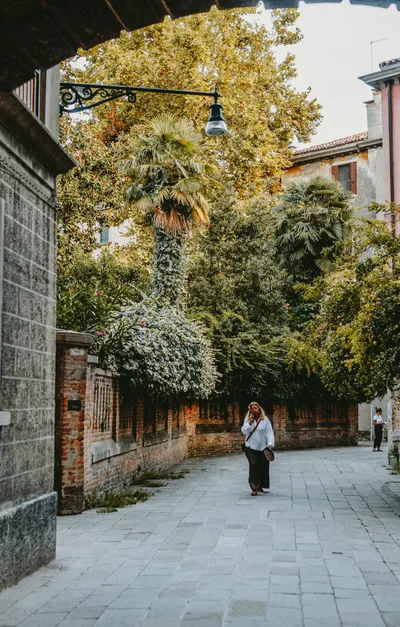
The Upper City, or Ano Poli, is the only part of Thessaloniki that survived the Great Fire of 1917. Walking here feels like stepping into a village frozen in time, high above the modern bustle.

St. Nikolaos Orfanos: The Garden of Eden
Most tourists stop at the Church of St. Demetrios. That’s a mistake. Walk further up into the narrow streets of Ano Poli to find St. Nikolaos Orfanos. It’s a tiny 14th-century church surrounded by a courtyard so lush it feels like a private garden. The frescoes inside are some of the best-preserved in the Balkans, and there is rarely a crowd.
The Tsinari Neighborhood
This is where you find the last authentic Ottoman-style ouzeris. Sit at a marble-topped table, order a tsipouro, and watch the locals. It feels like 1920 here.
Pasha’s Gardens
I call this the Gaudi of Thessaloniki. These mystical stone structures were built in 1904. Legend says they were used for secret society meetings, but today, they are the perfect spot for a quiet beer with a view of the city.
The Byzantine Walls at Sunset
Everyone goes to the Trigoniou Tower for the sunset. Don’t be everyone. Follow the wall 200 meters to the west. You’ll find a specific rocky outcrop that gives you the same view of the Thermaic Gulf without 50 selfie sticks in your face.
The Gritty and The Gothic: Unusual Sights
Beyond the standard museums, Thessaloniki hides some truly unconventional landmarks. These spots cater to those who find beauty in decay and history in the shadows.

The Thessaloniki Train Cemetery
For photographers, this is the holy grail. Located on the city’s outskirts, hundreds of rusted locomotives from the 1950s sit abandoned. In 2026, it’s more accessible via the new suburban rail links, but be careful—it’s still technically a restricted industrial site. I recommend going early in the morning for the best light.
Bensousan Han
This former Ottoman inn survived the Great Fire of 1917. Today, it’s a multidisciplinary art space. The basement feels haunted in the best way possible, with peeling plaster and echoes of the spice merchants who once slept here.
The Crypt of St. Demetrios
Most people see the main altar and leave. Look for the small staircase leading down. You’ll find the Roman baths where St. Demetrios was martyred. The acoustics here are haunting and provide a deep look into the city’s religious layers.
The Sephardic Legacy: Forgotten Jewish Thessaloniki
Thessaloniki was once known as the Madre de Israel, serving as a global center for Sephardic culture. While the Holocaust nearly wiped out the community, the stones still speak to those who listen.

Villa Bianca and Villa Kapandji
Take the Metro to the Depot area. Here you’ll find the District of the Villas. Villa Bianca tells a tragic love story between a Jewish heiress and a Christian officer. It is an architectural masterpiece of eclecticism.
The Saul Modiano Arcade
Most tourists visit the Modiano Market, but the Saul Modiano Arcade is the hidden version. It’s a shopping passage that feels frozen in time, filled with old tailors and stationery shops that look exactly as they did decades ago.
The Stumbling Stones
Keep your eyes on the ground. Small brass plaques called Stolpersteine are embedded in the sidewalks outside former Jewish homes. Following these creates a powerful, self-guided walking route through the city’s lost history.
2026 Food and Social Scene: Where the Vibe Is
The culinary landscape in Thessaloniki is shifting toward a mix of gritty traditionalism and sleek modernism. You have to know which doors to open to find the real social heart of the city.

Bit Bazar
By day, it’s a sleepy courtyard of antique shops. By night, it’s the beating heart of the city’s student life. Tiny tavernas serve cheap wine and meze to a crowd that spills out into the center of the square.
Valaoritou’s Hidden Rooftops
Valaoritou was the old garment district. Now, the old factories house secret bars. You have to find the right nondescript door and take a creaky elevator to find the best cocktail bars in the city, many of which are easily found via Booking.com for nearby boutique stays.
The Freddo Protocol
Here is what most people get wrong: you don’t grab a coffee in Thessaloniki. You sit for a coffee. Order a Freddo Espresso sketo (no sugar) and realize that a 3-hour conversation is a valid afternoon plan.
Modiano vs. Kapani
- Modiano: Revamped in 2023, it’s now a gourmet food hall. Great for a glass of wine, but touristy.
- Kapani: This is the raw, real market. It’s loud, it smells like fresh fish, and it’s where I go when I want to see the real city.
2026 Metro-Gems Guide
The long-awaited Thessaloniki Metro isn’t just a transport system; it’s a living museum that has redefined how we explore the city’s hidden corners.

Venizelou Station
This is the world’s largest in-situ archaeological Metro site. They kept the Decumanus Maximus—the main Roman road—right where they found it. You walk through the station on glass walkways above 4th-century shops.
Exploring Kalamaria
The new Metro line takes you to the Cote d’Azur of the city. Kalamaria has a different, cleaner, seaside vibe. Walk along the Aretsou promenade for fresh seafood that center-city dwellers rarely travel for, offering a nice break before you look for the best beaches in northern Greece.
Travel Planning and Expert Tips
Navigating a city with this much history requires a bit of local strategy. To truly enjoy your stay, you need to avoid the common tourist traps and logistical headaches.

The Thessaloniki Mistake Checklist
- Don’t drive: The center is a labyrinth and parking is a myth. Use the Metro or walk.
- Don’t eat on Aristotelous Square: You’re paying for the view, not the food. Walk three blocks inland for better value.
- Don’t rush: This city rewards the slow traveler who takes time to wander.
Best Time to Visit: October is the Golden Month. The humidity of summer is gone, the International Film Festival is buzzing, and the light on the Thermaic Gulf turns a deep purple at dusk.
Myths vs. Facts
There are many misconceptions about what makes Thessaloniki tick. Understanding the reality of the city will help you plan a much more rewarding trip.

- Myth: You need a car to see the real Thessaloniki.
- Fact: In 2026, the Metro and your own two feet are all you need for 90% of these gems.
- Myth: The White Tower is the oldest thing in the city.
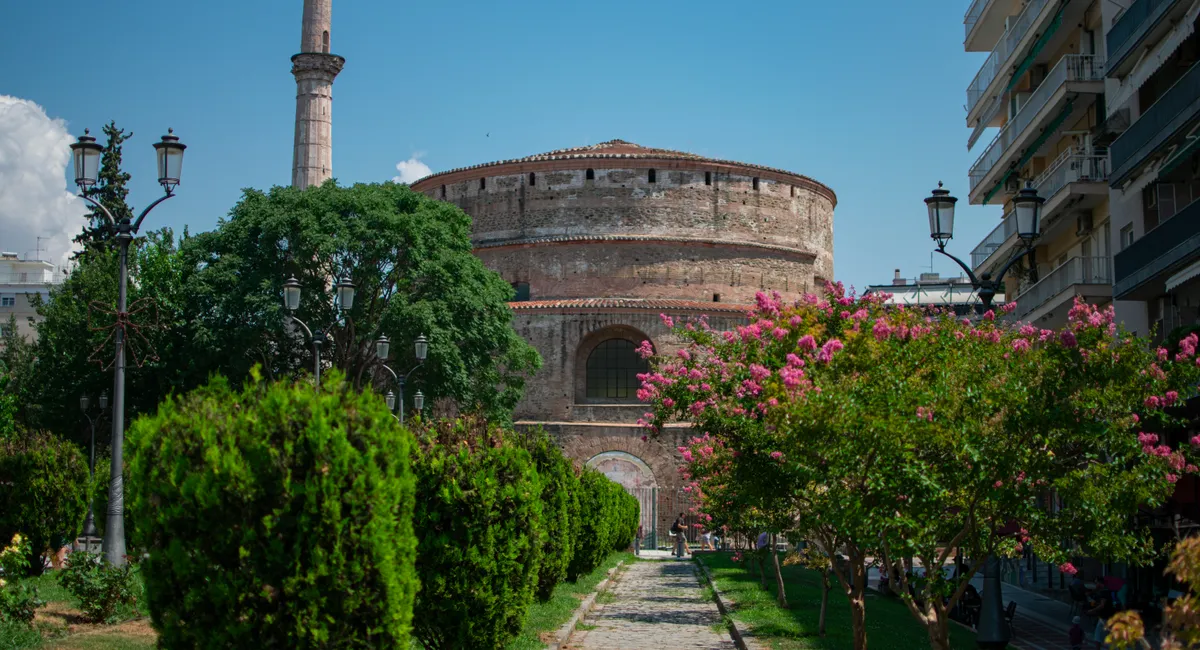
- Fact: The Rotunda and the Roman Agora predate it by many centuries.
Frequently Asked Questions
Navigating the local culture and hidden spots can be tricky. Here are the answers to the most common questions from curious travelers.

What is the coolest neighborhood in Thessaloniki in 2026?
Upper Ladadika and the area around the Roman Agora are currently the most vibrant for food and nightlife.
How do I find the hidden churches in Ano Poli?
Look for the brown archaeological signs, but generally, getting lost in the alleyways north of Agiou Dimitriou street is the best strategy.
What is the Bensousan Han?
It’s a 19th-century Ottoman inn turned into a cultural center. It’s one of the few buildings that survived the 1917 fire and offers an atmospheric look into the past.
Is Thessaloniki walkable?
The center is very walkable. However, the climb to Ano Poli is steep—consider taking the number 23 bus up and walking back down.
Your 3-Day Hidden Gem Itinerary
If you only have a long weekend, you need to focus on the spots that deliver the most soul. This itinerary balances history, grit, and local lifestyle.

- Day 1: The Heights. Start at the Heptapyrgion, walk down through Ano Poli, visit St. Nikolaos Orfanos, and end with meze in Tsinari.
- Day 2: The Layers. Explore the Venizelou Metro ruins, wander the Kapani market, and spend the evening at the Bensousan Han or a Valaoritou rooftop.
- Day 3: The Coast and Beyond. Take the Metro to Kalamaria for a seaside breakfast, then head to the District of the Villas to see the Sephardic mansions.
Thessaloniki is a city that requires curiosity. If you give it your time, it will give you its soul. Ready to explore? Grab a Freddo and start walking.